Winter is just around the corner, bringing with it the challenge of putting together cold weather outfits that are both fashionable and functional. However, the colder months don’t have to mean sacrificing style. With a bit of creativity and the right combination of clothing, you can stay warm and stylish all winter long.
Whether you’re searching for an elegant look for special occasions or a comfortable outfit for everyday wear, there are countless ways to elevate your winter wardrobe. This article offers inspiration for various cold-weather outfits that are both practical and Pinterest-worthy. Let our ideas inspire you to find your perfect winter look!
When temperatures drop, layering is the ultimate strategy to stay warm without compromising on style. Known as the “onion look,” this approach relies on multiple layers of clothing that are not only functional but also visually appealing. By combining textures, colors, and materials, you can create versatile outfits that keep you cozy and chic.
What is Layering and Why Is It Effective?
Layering means wearing multiple layers of clothing, each serving a specific purpose:
Base Layer: This sits directly against your skin and provides warmth and moisture regulation. Examples include thermal underwear, fitted long-sleeve shirts, or lightweight turtlenecks.
Middle Layer: Offers extra warmth and insulation. Think knit sweaters, fleece jackets, or sweatshirts.
Outer Layer: Protects against wind, rain, or snow. Coats, down jackets, or water-repellent parkas are ideal here.
With the right combination of layers, you can adapt your outfit to changing weather conditions while maintaining a stylish appearance.
Popular Layering Combinations
Casual Everyday Look:
Base Layer: A lightweight merino wool long-sleeve shirt.
Middle Layer: A chunky knit oversized sweater.
Outer Layer: A knee-length wool coat.
Accessories: Scarf, beanie, and ankle boots.
Business Layering:
Base Layer: A silky blouse or fitted long-sleeve top.
Middle Layer: A blazer or fine cashmere sweater.
Outer Layer: A tailored trench coat or belted coat.
Accessories: Leather gloves and a minimalist handbag.
Sporty and Functional:
Base Layer: Thermal underwear made from performance fabric.
Middle Layer: A fleece jacket or hoodie.
Outer Layer: A weatherproof puffer jacket.
Accessories: Hat and waterproof boots.
Trendy Street Style:
Base Layer: A simple turtleneck.
Middle Layer: An oversized plaid blazer.
Outer Layer: An oversized puffer coat.
Accessories: Chunky sneakers and a crossbody bag.
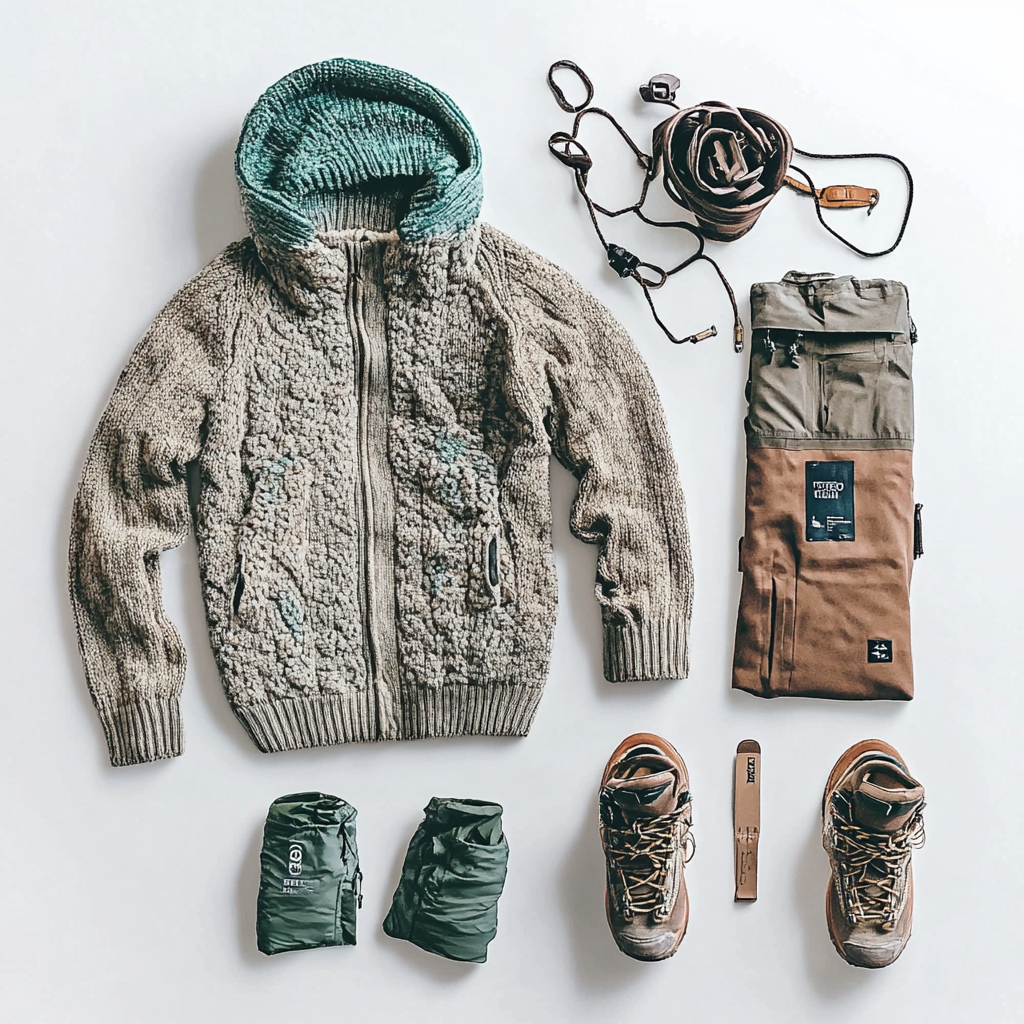
Outdoor-Ready:
Base Layer: Functional shirt.
Middle Layer: A down vest over a sweater.
Outer Layer: A hardshell jacket.
Accessories: Thermal pants and insulated hiking boots.
Tips for Perfect Layering
Mix Textures: Combine materials like wool, cotton, leather, and down for a layered look with depth.
Coordinate Colors: Stick to a color family or use neutral tones with a bold accent.
Mind Proportions: Slim base layers pair well with voluminous middle layers or oversized coats.
Think Practical: Each layer should be easy to put on or remove for flexibility in changing temperatures.
2. The Scandinavian Look: Minimalist and Functional
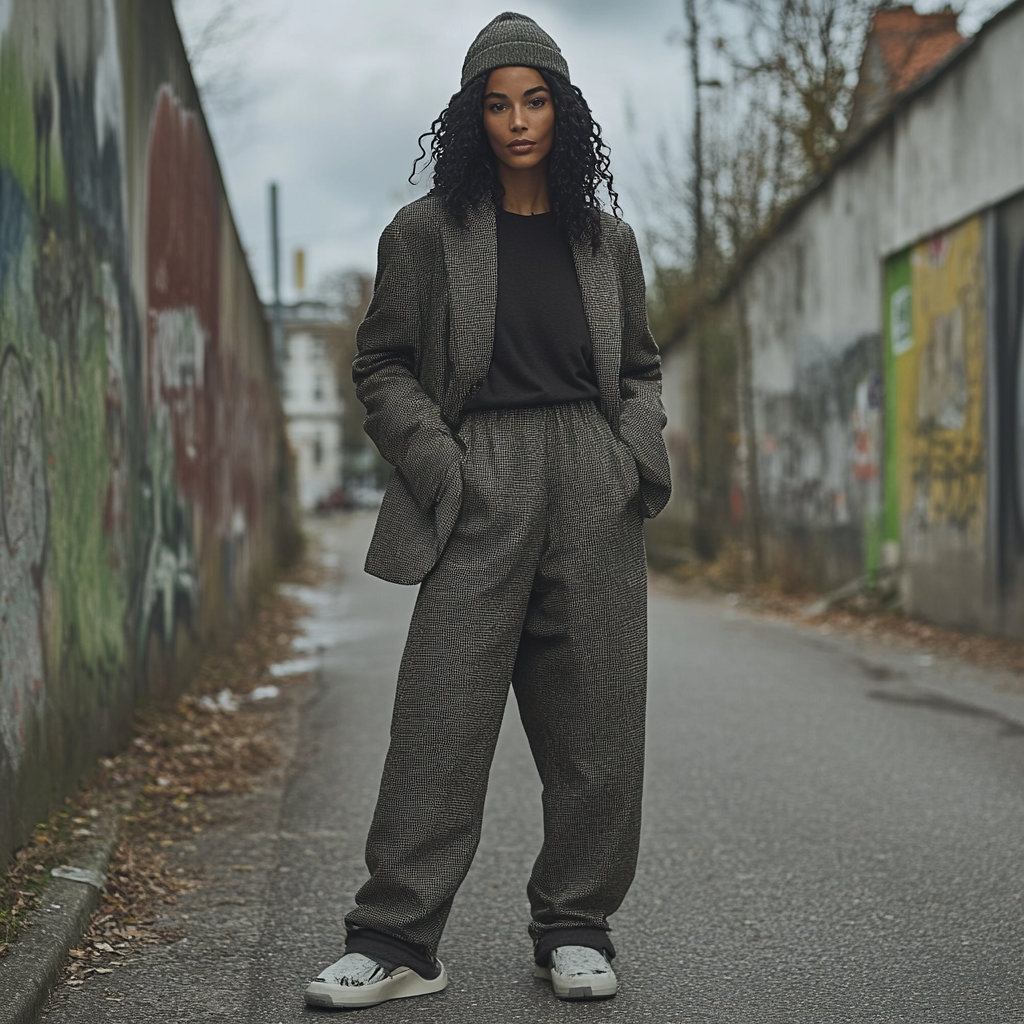
Foto: Midjourney
The Scandinavian style is defined by clean lines, muted colors, and high-quality materials. It avoids unnecessary details, focusing instead on simplicity and elegance. Typical colors include beige, gray, black, white, and earthy tones, making it easy to mix and match. A classic example might be an oversized wool coat in a neutral color, paired with a simple cashmere sweater and leather leggings. Chunky Chelsea boots complete the look, combining practicality and style.
Suggested Combinations:
A chunky knit sweater with simple trousers and sneakers for a casual everyday look.
A monochrome outfit in cream or beige tones, finished with gold accessories.
A turtleneck top under an A-line midi dress, paired with knee-high boots.
Accessories such as leather bags with clean designs or simple scarves made of natural materials like wool or cashmere perfectly complement the Scandinavian style.
3. Puffer Coats: Stylish and Warm Through Winter
Foto: MJ
Puffer coats have become a staple in winter fashion. They offer excellent protection against the cold and serve as statement pieces that add a modern, trendy touch to any outfit. Whether you’re looking for a sporty look for everyday wear or something more elegant for special occasions, puffer coats are incredibly versatile.
Key Features of Puffer Coats
Puffer coats are characterized by their voluminous quilted design, typically filled with down or synthetic insulation. This construction provides excellent warmth. Modern designs offer a variety of lengths, colors, and cuts – from knee-length and oversized to tailored styles.
Popular Combinations with Puffer Coats
Casual and Cozy: A knee-length oversized puffer in olive green, paired with skinny jeans, a chunky knit sweater, and sneakers.
Elegant Chic: A tailored black puffer over a turtleneck dress, knee-high leather boots, and a structured handbag.
Sporty and Dynamic: A short puffer in bold red, matched with joggers and chunky sneakers.
Monochrome Style: A beige puffer coat with matching trousers, a sweater, and Chelsea boots.
Tips for Choosing the Right Puffer Coat
Length: Longer styles provide more warmth, while shorter options have a sportier vibe.
Colors: Opt for easy-to-style shades like black, beige, or olive green.
Silhouettes: Oversized coats are trendy, while tailored designs exude elegance.
4. Après-Ski Inspired: Retro and Cozy
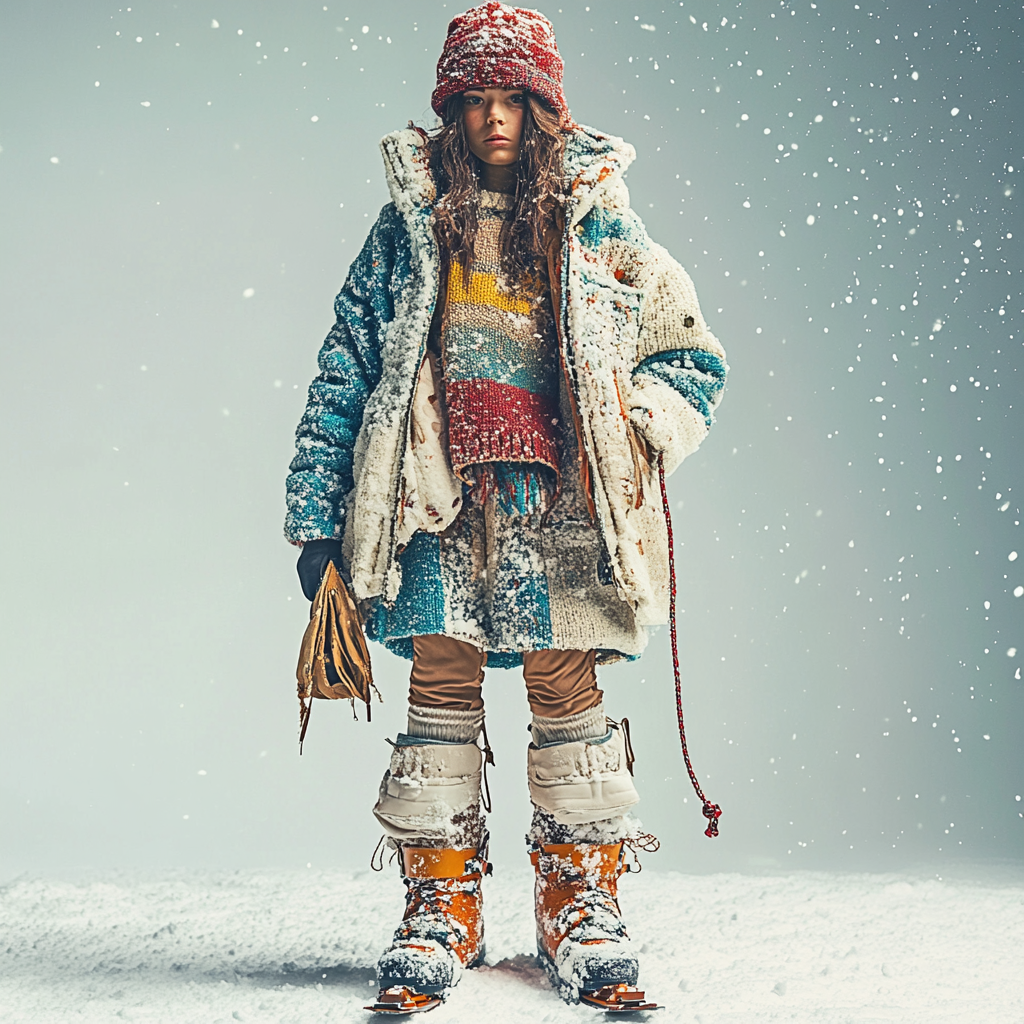
Foto: MJ
Let après-ski fashion inspire your winter wardrobe! This style embraces warm and cozy clothing without sacrificing style. Scandinavian-patterned sweaters and weatherproof boots are timeless classics that harmoniously blend functionality and fashion.
What Defines Scandinavian Sweaters?
Scandinavian sweaters feature traditional patterns such as snowflakes, Nordic stars, or geometric shapes, often in warm, natural colors like cream, gray, blue, or red. Made of wool or high-quality materials, they provide excellent warmth and breathability.
Suggested Combinations
Casual and Warm: A Scandinavian sweater with simple jeans and weatherproof lace-up boots, topped with a chunky knit hat.
Rustic and Cozy: Pair your sweater with corduroy pants and lined leather boots. Add a wool coat and scarf for extra warmth.
Chic and Functional: Style a slim-fit trouser or thermal leggings with knee-high boots. Tuck in your sweater for a polished silhouette.
Accessories to Complete the Look
Scarves and Gloves: Opt for materials like cashmere or chunky wool.
Backpacks: A minimalist, weather-resistant backpack is both practical and stylish.
Hats: A beanie or fur-lined hat adds a wintry touch.
The combination of Scandinavian sweaters and weatherproof boots merges style, comfort, and practicality, making it perfect for both relaxed urban outings and adventures in nature.
Contains information related to marketing campaigns of the user. These are shared with Google AdWords / Google Ads when the Google Ads and Google Analytics accounts are linked together.
90 days
__utma
ID used to identify users and sessions
2 years after last activity
__utmt
Used to monitor number of Google Analytics server requests
10 minutes
__utmb
Used to distinguish new sessions and visits. This cookie is set when the GA.js javascript library is loaded and there is no existing __utmb cookie. The cookie is updated every time data is sent to the Google Analytics server.
30 minutes after last activity
__utmc
Used only with old Urchin versions of Google Analytics and not with GA.js. Was used to distinguish between new sessions and visits at the end of a session.
End of session (browser)
__utmz
Contains information about the traffic source or campaign that directed user to the website. The cookie is set when the GA.js javascript is loaded and updated when data is sent to the Google Anaytics server
6 months after last activity
__utmv
Contains custom information set by the web developer via the _setCustomVar method in Google Analytics. This cookie is updated every time new data is sent to the Google Analytics server.
2 years after last activity
__utmx
Used to determine whether a user is included in an A / B or Multivariate test.
18 months
_ga
ID used to identify users
2 years
_gali
Used by Google Analytics to determine which links on a page are being clicked
30 seconds
_ga_
ID used to identify users
2 years
_gid
ID used to identify users for 24 hours after last activity
24 hours
_gat
Used to monitor number of Google Analytics server requests when using Google Tag Manager