
Berlin’s hard-to-reach facades: Who keeps the urban space in shape
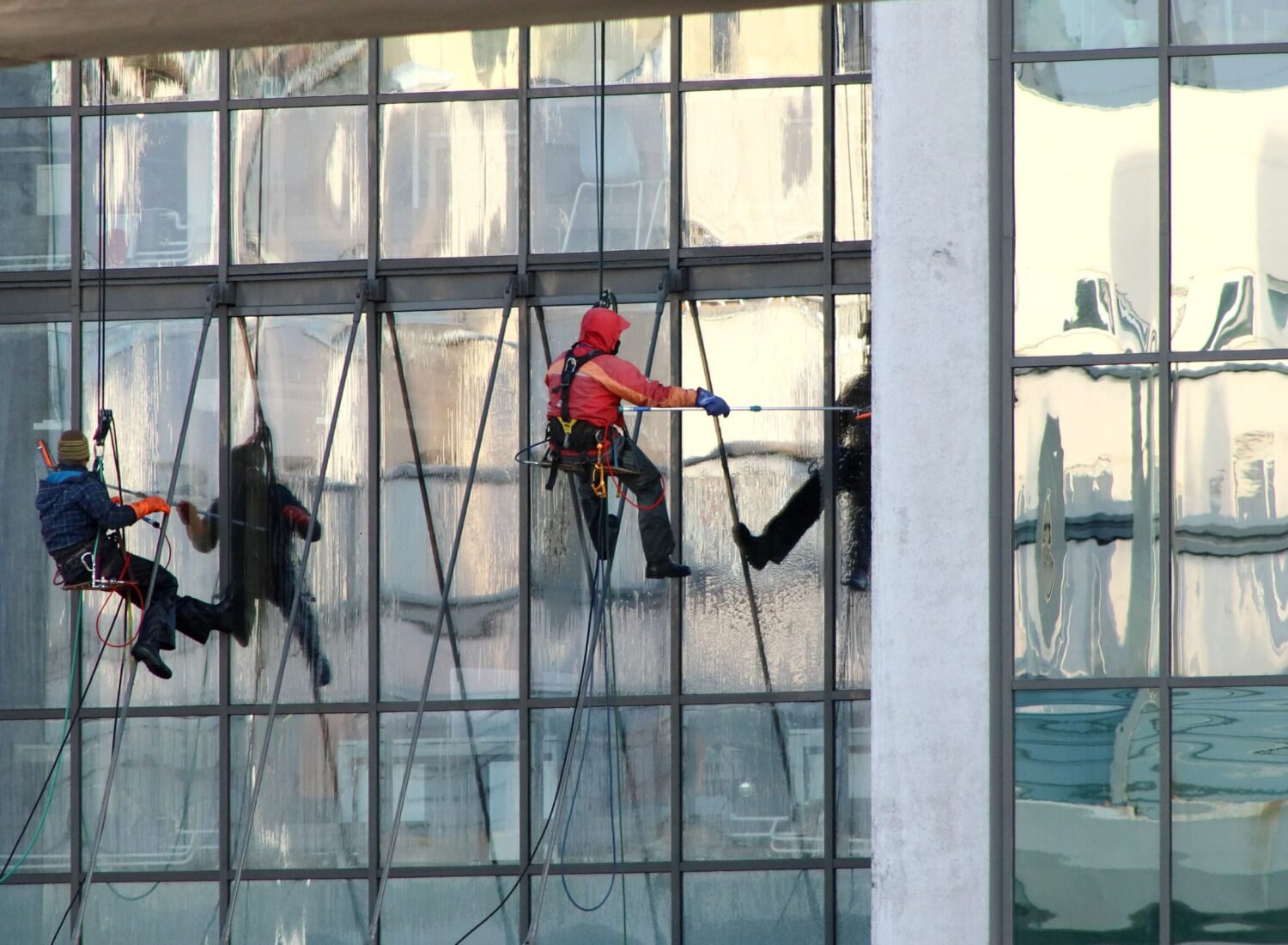
Anyone walking through Berlin usually sees facades as a backdrop: windows over shop windows, roof edges high above the sidewalk, wall projections between two houses. What needs to be cleaned, checked or repaired there often remains invisible from the edge of the street.
However, as soon as a job is on the horizon, one question becomes crucial: How can the relevant location be reached without losing sight of the building and its surroundings?
The city does not end at the sidewalk
A facade is more than the area that passers-by see in front of them. It includes windows in upper floors, connections, projections and areas that can only be accessed from the courtyard. Edges and gutters are added to the roof. Weather, dust and use leave traces in such places; occasionally, pollution is noticed, sometimes only a targeted look is necessary to initiate further work. Which measure is useful depends on the building element and its condition.
Especially in a densely used city, work on the building can rarely be viewed independently of its surroundings. Paths run down below, people live or work behind windows, and bicycles or vehicles may be parked in the courtyard. This makes a seemingly small task a matter of coordination: Where exactly is the work site located? From which side is it accessible? Which areas must remain free during the execution? Such questions are neither spectacular nor visible at first glance. However, they determine how the maintenance of a building can be practically organized.
When access to the actual task becomes
A window cannot be simply cleaned by itself simply because it is easily recognizable from the street. Between the sidewalk and the glass, several floors, a setback or a narrow courtyard can lie. The same applies to a gutter that is only to be processed on a short section, or to a facade area in front of which there is hardly any space for work equipment. Before the actual work begins, the route to the work site must therefore be planned.
Specialized high-rise workers come into play here. Cleanclimb high-rise work offers Building climbers in Berlin For work on hard-to-reach building areas. The range of services includes glass, window and facade cleaning, gutter cleaning as well as maintenance and repair work. What is decisive here is not the striking image of a person on the rope, but the assignment of task and access: Should a surface be cleaned, a certain component be checked or a limited area be processed? Only with a clearly described task can it be determined which access method is appropriate for this.
The location within a building can also make a difference. An open courtyard imposes different requirements on the organization than an entrance area that is used during the day. Therefore, anyone who prepares the work should not only look at a photo of the affected area, but also the way to get there and the use of the areas underneath.
Cable access is one way, no universal answer
Cable-supported access methods can be an option there where work sites are difficult to reach. This does not mean that they would be the best choice for every facade. For large-scale work, a scaffold may be appropriate; in other places, a mobile work platform may be suitable. The decisive factors include, among others, the specific activity, the accessible areas, possible locations for equipment and the conditions at the building.
The comparison therefore starts better with the task than with the procedure. Is it about a narrowly defined area or a contiguous area? Do tools and materials have to be brought to the work site? Are there suitable access points and opportunities to secure the work area? The duration and sequence of several activities also play a role in planning, without the fact that this can be taken as a general advantage for a particular method.
For pedestrians on the sidewalk, only the visible part of such a decision is often noticeable: a scaffold in front of the front, a stage on the edge of the road or scaffolding workers on the building. The actual weighing up takes place beforehand. It links the condition of the building component with the spatial possibilities on site.
Safety begins before relegation
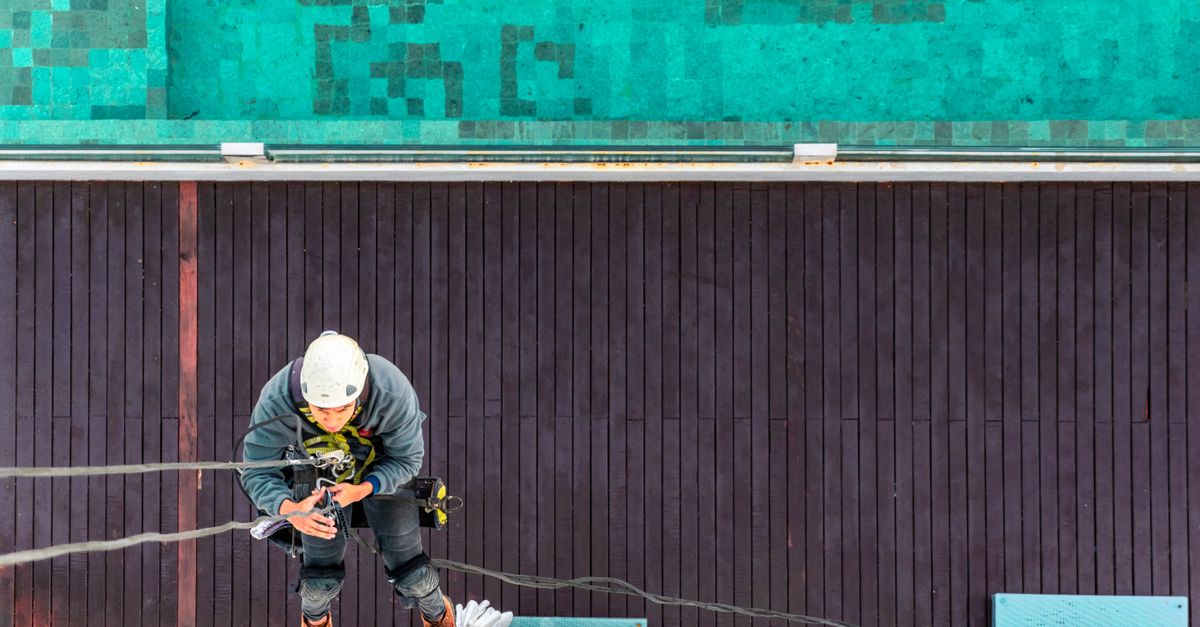
Working on the rope is not just about putting a person in the right place. the DGUV Information 212-001 on rope-supported access and positioning procedures Treats the risk assessment as the basis for the selection and planning of such procedures. This includes questions about access, the systems used, the protective measures and the rescue. This planning concerns both the people at height and the area in which work is carried out.
So it must be considered before the start, What risks exist at the specific workplace And how the employees can reach and leave the job. Equally important is that a rescue is possible in the event of an accident. A look at the ropes during the execution hardly shows this preparation. This is precisely why the impression can be misleading that a short job on a facade is automatically uncomplicated.
Personal protective equipment against crash is a separate part of the safety consideration. the DGUV Regulation 112-198 on the use of personal protective equipment against falls Deals with their selection and use; it does not replace the consideration of the entire rope-supported access procedure. For outsiders, the connection is especially important: equipment alone does not make a work plan. Access, activity, environment and procedure for the emergency must fit together.
What owners and administrations can clarify before a job
Who works on a facade or a roof Prepared, you can start with a description of the task as accurate as possible. Instead of simply mentioning “the facade”, specifying which area is affected and what stands out there helps: dirty glass, a drain that needs to be cleaned or a place that should be looked at more closely. Photos from different angles can make the location more understandable, as long as they do not replace the inspection and planning on site.
After that, the surroundings come into the foreground. Is the affected area accessible from a courtyard, from the roof or from another side? What is located under the work area? Are entrances used there or paths crossed? for House management offices It can be helpful to record these uses early and inform the affected persons about the planned work. This allows access and closures to be coordinated with everyday life in the building before employees bring their equipment to the work site.
The choice of method and safety planning belong to expert hands. However, it is still advisable for clients to ask about the planned access, the protection of the work area and the rescue planning. Cleanclimb Heightsworks combines rope climbing work with cleaning, maintenance and repair services in its offer. Which of these are needed for a specific building and which access is suitable depends on the respective task and the conditions on site.
Small interventions, visible urban space
Building maintenance rarely changes a cityscape overnight. Sometimes the result is a cleaned window, sometimes an area of the building that is again accessible, or a job done on the roof edge. From below, such interventions seem inconspicuous. However, they can still be relevant for the use and maintenance of a building.
Looking up also shows a less obvious side of Berlin: behind familiar street views are practical decisions about access, security and the right work in the right place. If you consider a facade as part of the urban space, you eventually no longer see just its surface. It also becomes visible how much preparation may be necessary to deal with a single hard-to-reach location.