
Private gardens in Berlin: How shade, plants and rainwater shape the outdoor space
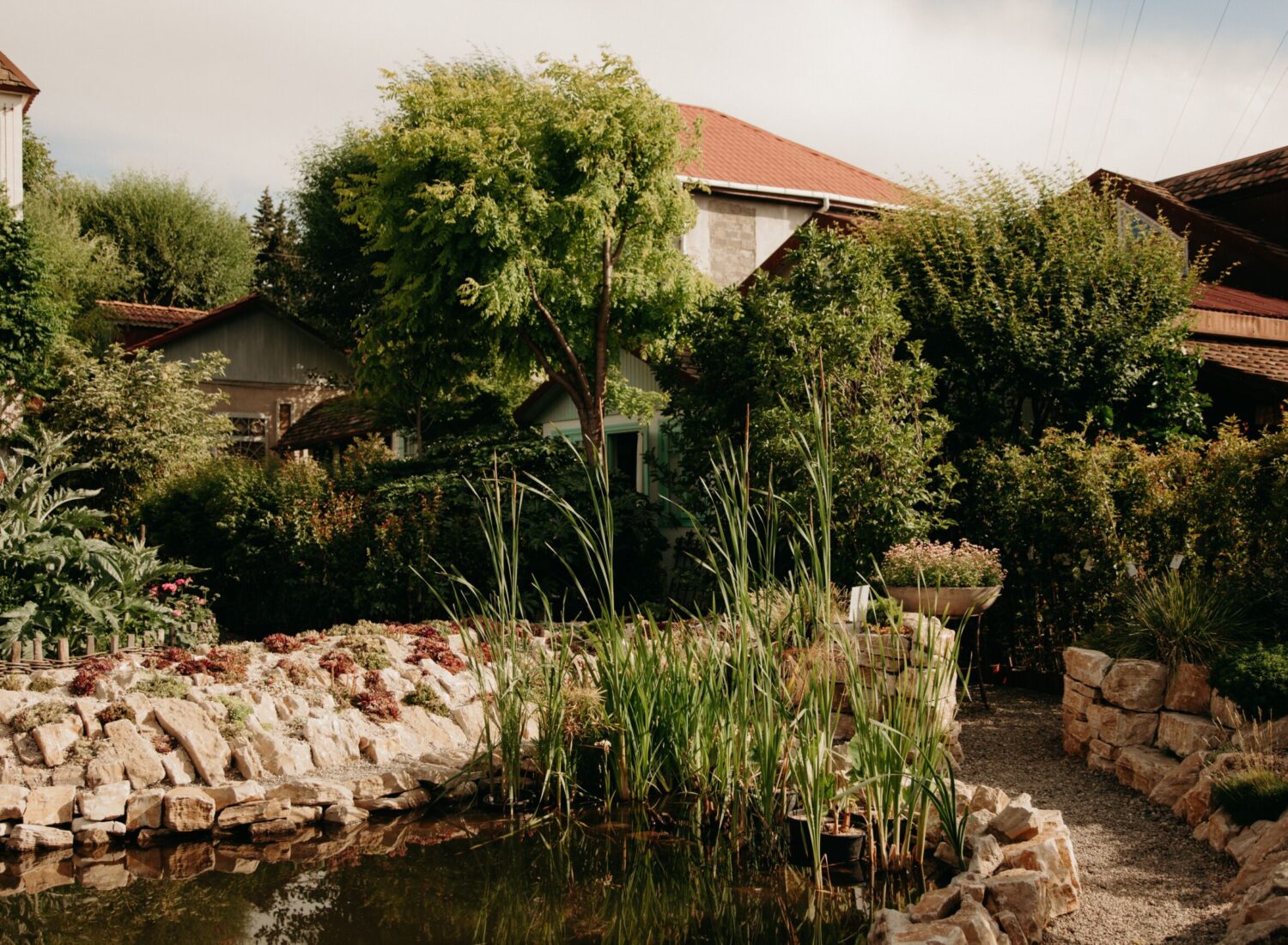
On the Berlin sidewalk, the heat is trapped, while a few steps further a tree shades the seating area in the courtyard. Such differences are noticeable especially on hot days. Those who can use a garden or green courtyard have room for design: Where is shade needed? Which plants cope with the location? And what happens to the rain when it finally falls? These questions do not create a recipe for the urban climate. However, they help make your outdoor space more pleasant and suitable for everyday use.
Why small green spaces in the city count
When it comes to Berlin’s urban greenery, many first think of parks, street trees and the large open spaces between the districts. The Berlin Charter for Urban Greenery also takes private gardens and other green spaces into account: they are part of the city’s living environment and offer opportunities for climate adaptation, biodiversity and neighborly coexistence. A single garden does not replace a publicly accessible park. For people who live there, it can still make a significant difference in their daily routine – for example, if a shaded place outside remains usable in the afternoon.
the Strategy paper “Cityscape Berlin” Describes shade, evaporation and nocturnal cooling as functions of urban greenery. How strong these effects are at a given location depends on many conditions. Therefore, for the design of a courtyard, less of a great climate promise is interesting than a concrete observation: where are the hot, hardly used places today, and where do people like to hang out? Especially in the capital, between densely built streets and green retreats, this immediate experience often determines how an outdoor space is used.
Read the place first, then design it
Before a garden bed is planted or a terrace is changed, it is worthwhile to take a look at the garden at different times of the day. A place that is pleasantly sunny in the morning can become too warm in the late afternoon. The building wall may already cast enough shade over a garden bed while the middle of the property is open. Also, neighboring trees, existing shrubs and paved areas influence what options are available. Those who observe these conditions do not plan against the place, but with it.
The use is also equally important. If you want to eat outside, do children need space to move around or is a quiet seating area especially needed? Where do the daily paths run along, and how much time is left for care and watering? Then it depends on whether a larger planting area is sensible, where a path is actually needed and which plants are suitable. The soil deserves attention: A dry bed at the sunny edge has different requirements than a shady, longer moist corner. A beautiful plant from a demonstration garden is not yet a good choice for every Berlin garden.
Shadows are created by forward-looking design
A tree can provide shade for a seating area and give the garden spatial structure. However, for it to develop well, its location must fit the available space, soil and surroundings. The later size also needs to be considered: what may seem easy as a young plant can eventually touch paths, windows or neighboring areas. Existing healthy shrubs are therefore a valuable starting point for planning, rather than automatically yielding to a new design.
Where a tree does not fit or its shade does not grow until later in life, shrubs and green seating areas can take on other tasks. A pergola, for example, offers a clearly defined place to relax; with suitable planting, it becomes part of the garden. The key is when the shade is needed. For breakfast, the morning sun may be welcome, while the space for the end of the day requires a different location. Shade is therefore not a decoration that is added at the end. It determines early on where people sit, which plants can thrive under them and how open and sheltered areas are distributed.
Think of plants and rainwater together
When choosing plants, “easy to care for” sounds tempting. It is more helpful to ask what conditions a plant actually finds in the intended location. For example, lavender or rosemary can be suitable for sunny, rather dry locations; other areas are suitable for plants with different water and light requirements. Deep-rooted species are also among the options considered for drier phases when gardening sustainably. However, choosing only based on the label “drought-tolerant” is still too narrow: soil, space requirements and development over several years must match.
The planting plan therefore includes a water plan. Where can precipitation be collected, where can it stay in the garden, and which beds require special attention during dry periods? A rainwater tank can store water for watering. Unsecured, planted areas offer other possibilities than a completely sealed area. This does not mean that rainwater can simply seep everywhere; soil and building conditions set limits. It is sensible to consider water needs and design at the same time, rather than thinking about watering only after planting. This also shows which wishes fit permanently with the care effort.
When design should fit into everyday life
A garden does not become better just because as much as possible is planted. For example, a terrace must be large enough for its actual use, but should not take up more space than necessary. A path should lead there where people really go. And a bed close to the seating area can bring joy if its maintenance fits into everyday life. Between paving stones, plants and seating areas, there needs to be a sensible division, no decision for just one of these possibilities.
Here comes Garden and landscape architecture in Berlin Into play: Detlef Blisse Garten und Landschaftsbau plans individual garden concepts and designs outdoor spaces. The range of services includes terraces, paving and natural stone work as well as garden maintenance. The connection is important for planning because a seating area cannot be considered separately from paths, existing plants and the desired level of maintenance. If you change the garden step by step, you can incorporate existing elements and arrange new areas in such a way that they work in daily use.
Small steps instead of complete renovation
For a more pleasant outdoor space, not everything has to be created anew at once. A good first step is to look at the existing greenery and the most frequently used places: Which tree already provides shade? Where is a sheltered seating area lacking on hot days? Which paved area is hardly used? From these observations, an order can be developed. Perhaps at first, only a seating area needs more shade, while a bed is only planted anew later. Perhaps the next rain will show where water could be collected.
This careful approach keeps expectations realistic. A private garden can improve your own stay and be part of a greener neighborhood in the Berlin city life Be; it does not solve the heat load of an entire city. This is precisely why it is worthwhile to take a close look at what is possible on site. a gardenWhose shade suits the daytime, whose plants suit the location and whose care fits into the everyday lives of the people who use it, is also used more frequently and more willingly without a complete renovation.