
Travelling safely in the capital: Why fall prevention matters in everyday life in Berlin
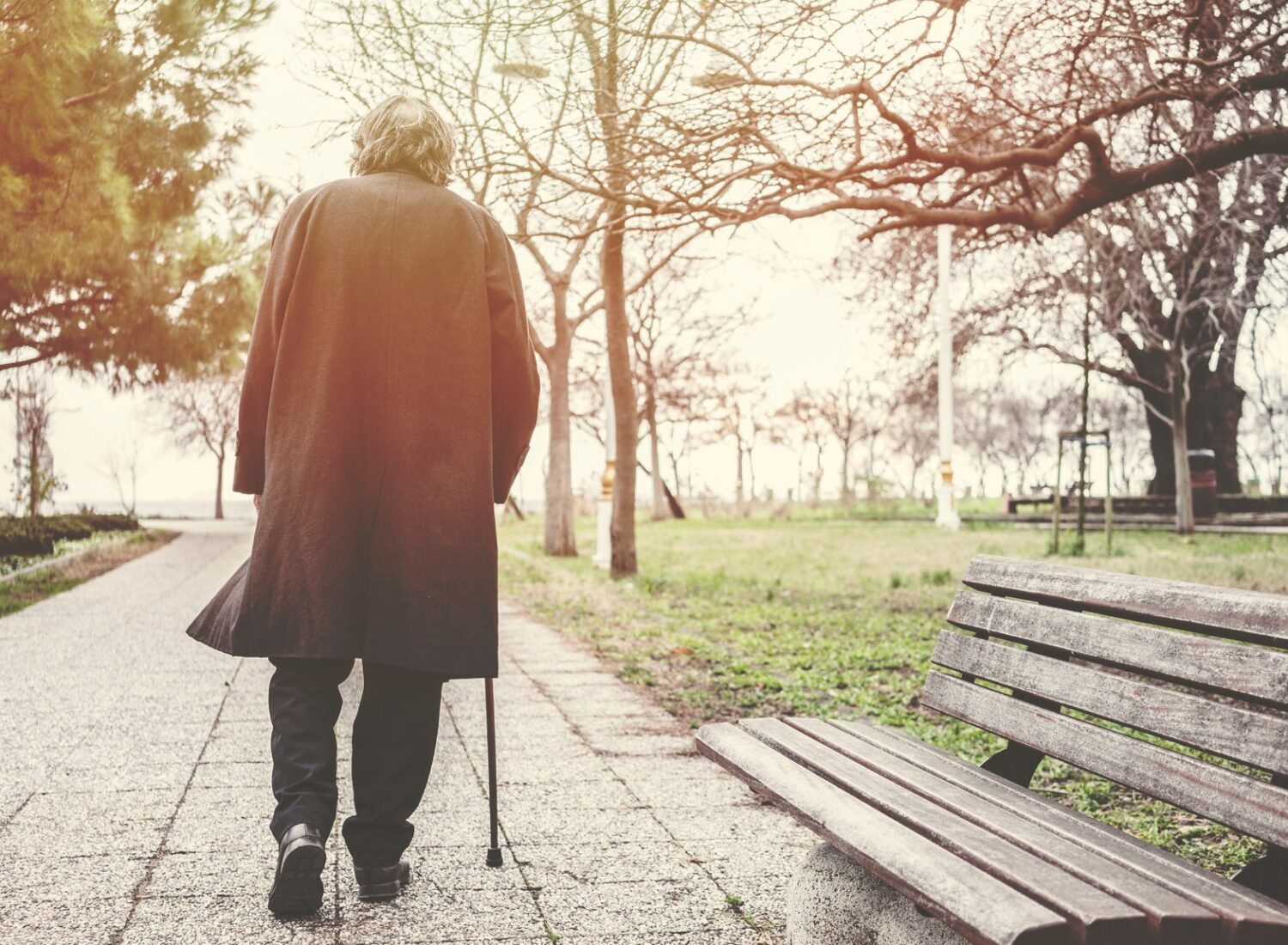
Berlin is a place of short distances and long stretches. Anyone who goes to the subway in the morning, walks over uneven cobblestones in the neighborhood or takes the stairs in the old building takes many steps every day, and each of them requires balance, strength and attention. With age or after an illness, this very self-assuredness can become shaky.
A fall rarely happens out of the blue. Most often, several factors come together: declining muscle strength, a weaker sense of balance, a blurred vision and an environment full of tripping hazards. Those who know these factors can specifically mitigate many of them.
Where everything starts to get concrete
who Prevent falls If you want to, it’s best to start where everyday life takes place: in your own apartment and on the familiar paths. The most effective lever is often in the immediate environment, because a large part of the dangers can be eliminated with a few simple steps before anything happens at all.
Rehavibe, a German online shop for rehabilitation and care products, offers aids and suggestions for this purpose, among other things. The range ranges from walkers and crutches to handrails and shower stools, as well as orthotics and health shoes. Especially because the needs are so different, it is worthwhile not to buy aids on suspicion, but to have them personally advised in advance.
The paths outside the apartment are equally important. On Berlin’s sidewalks, there are curb edges, construction sites, leaves, and in winter, ice. Those who walk slower, pay attention to uneven surfaces, and use the handrail when climbing stairs significantly reduce the risk. Fixed routes with sufficient break opportunities, such as at benches, also take pressure off the day.
People with dementia also benefit from a clearly structured environment. Even lighting, free paths and clear contrasts between floor and wall make it easier to orient oneself and reduce the risk of obstacles being overlooked.
Living room, bedroom, bathroom: The typical danger spots
In the living room, it is usually loose carpets, cables on the floor and too little light that become tripping hazards. If you remove runners or fix them to prevent slipping and run wires along the wall, you eliminate most of the risk. An elevated seat cushion can also make it easier to get up from the armchair, where dizziness can sometimes occur.
In the bedroom, the nightly walk to the toilet is particularly delicate. A bed with a firm seat edge, a nightlight within reach, and a clear path to the bathroom make this route significantly safer. If you get up in a semi-sleep during the night, you should also put your feet first into firm, non-slip slippers, instead of walking on tiles barefoot.
The bathroom is considered the most dangerous room in the apartment. Wet tiles and smooth bathtub edges are an invitation to slip. Non-slip mats, handrails on the shower and toilet, and a shower stool create safety here, and spilled water should be wiped up immediately.
Strength, balance and movement as a protective shield
As important as a safe apartment is, it does not replace the body itself. Targeted Balance training And regular strengthening exercises for the legs and core keep the muscles performing and train the reaction time. Even simple exercises such as standing on one leg on the kitchen counter or getting up from the chair without leaning back can be incorporated into the day without preparation.
Berlin offers a dense network of opportunities for this, from senior sports in the districts to gymnastics groups in neighborhood centers to movement offers in parks. The topic of Mobility on two wheels Shows how much the city promotes movement in everyday life. Those who walk, cycle or dance regularly train the coordination that protects against falls.
The key is regularity. Two to three short sessions per week that fit into everyday life bring more than a single strenuous hour. Those who stick with it often notice progress even when climbing stairs in everyday life. If you are unsure whether certain exercises are suitable for your own health condition, you can clarify this in advance at your general practitioner’s practice or with physiotherapy, which can adapt the exercises individually.
Shoes, sight and small habits
The footwear is one of the underrated factors. Firm, closed shoes with a non-slip sole provide support, while worn slippers or flip-flops become a risk even on a flat surface. The view also plays a role: Regularly checked eyesight aids and well-lit stairs in the hallway ensure that steps are recognized in time.
Relaxed, mobile muscles also support balance indirectly. Heat and gentle massages can help relieve tension that stiffens the gait. For everyone who feels insecure, the following applies: A walking stick or walker is not a sign of weakness, but a tool that preserves independence and makes participation in city life possible. Especially in a big city where much is in motion, it helps to take your time and plan routes so that haste is not even created.