
Behind the Currywurst stall: Berlin’s snack culture and the craft behind it
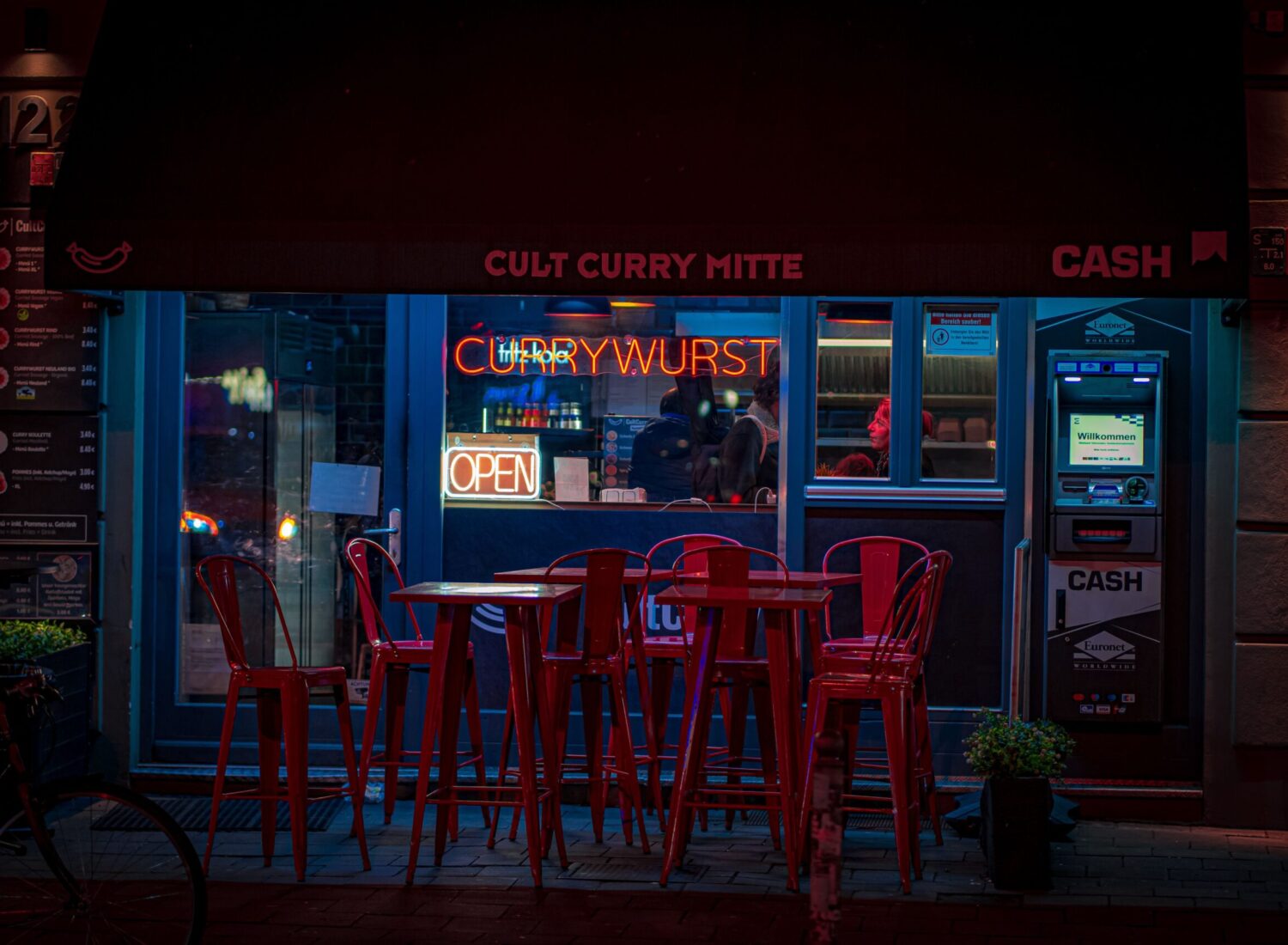
It’s half eleven at night, and under the red awning of the stall at the subway station, seven people are still queueing up. The fryer is whistling, the smell of grilled sausage and spicy sauce hangs in the cool air. Anyone living in Berlin knows this scene and has long had a regular address for exactly this moment.
But between the cardboard plate and the last bite lies more work than most people realize. What distinguishes a really good currywurst from one that is eaten and forgotten? The answer lies behind the counter: in the craft of sausage making, in the seasoning and in a procurement that begins long before the first cut.
Currywurst, bratwurst, grill platter – a piece of Berlin’s everyday culture
The currywurst is more than just a quick snack in Berlin. Since the post-war period, it has evolved from the emergency kitchen of a devastated city into a permanent part of everyday culture. Snack stalls used to make many people full with little resources and remained even when the emergency was long gone. In the East and West, their own stall classics emerged, and after the reunification, the scene continued to grow together. Today, the stalls are part of the neighborhood, such as the Späti on the corner and the pub across the street.
At the same time, the scene has spread. On weekly markets, mobile stalls grill bratwurst and neck steak, food trucks supply festival visitors, and after long nights, the stall at the train station is often the last common stop of the evening. City guides and blogs regularly dedicate their own rankings to currywurst; it is discussed with a dedication that is otherwise reserved for football teams. The audience is a colorful mix: night shift workers, celebrants, families, tourists. Everyone is connected by the expectation that something can be created from a few ingredients that tastes like Berlin.
From the outside, the stalls appear interchangeable, but regular customers can taste the differences. Some swear by the smoky homemade creation of their stand, while others swear by the operator, whose sausage is visibly cooked differently from the goods next door. Such differences rarely occur by chance. They grow in the workshop, at the work tables of the sausage makers and when sourcing – that is, where guests usually don’t look. Specialized dealers for Meat requirements in Berlin Brandenburg and surrounding areas Supply the companies with everything that the workshop and counter need – from the right natural intestines to spice mixtures to machines and workwear.
What a good sausage really needs – craftsmanship instead of chance
For the guest, it looks simple: sausage on the grill, sauce on top, done. In fact, the quality is already determined during production, often days before the goods go over the counter. Those who talk to butchers or experienced operators always hear similar points – they concern the meat, the seasoning, the casing and the handling of heat.
-
The meat selection: Fresh, cleanly triggered meat with the right fat content is the basis. If the mixture is too lean, the sausage dries out; if it is too fat, it loses binding and browning.
-
The spice mixture: Salt, pepper and paprika are standard, plus depending on the recipe, nutmeg, macis or coriander are added. Many companies work with their own blends, which have been refined over the years – even small differences in quantities can noticeably change the aroma.
-
The case: Whether natural or artificial fiber intestine, which caliber and how tightly filled it is, determines the bite feeling. The well-known crunch when biting hard is mainly a matter of intestine and filling.
-
Smoking and cooking: Smoking wood, temperature control and resting times determine color, durability and taste. Smoked too hot, a sausage becomes bitter, smoked too short, it remains bland.
In the end, the interplay matters. The most sophisticated recipe is of little use if the cooking time is not right, and the finest meat does not forgive a careless seasoning. This very craft distinguishes the establishment with loyal customers from the interchangeable average.
Behind the counter: What snack bars need in terms of equipment
In order for a recipe and raw materials to become a ready-to-sell product, there needs to be equipment behind the counter that guests rarely see. Butchers, snack bars and grill stands work with a set of tools that goes far beyond the visible counter.
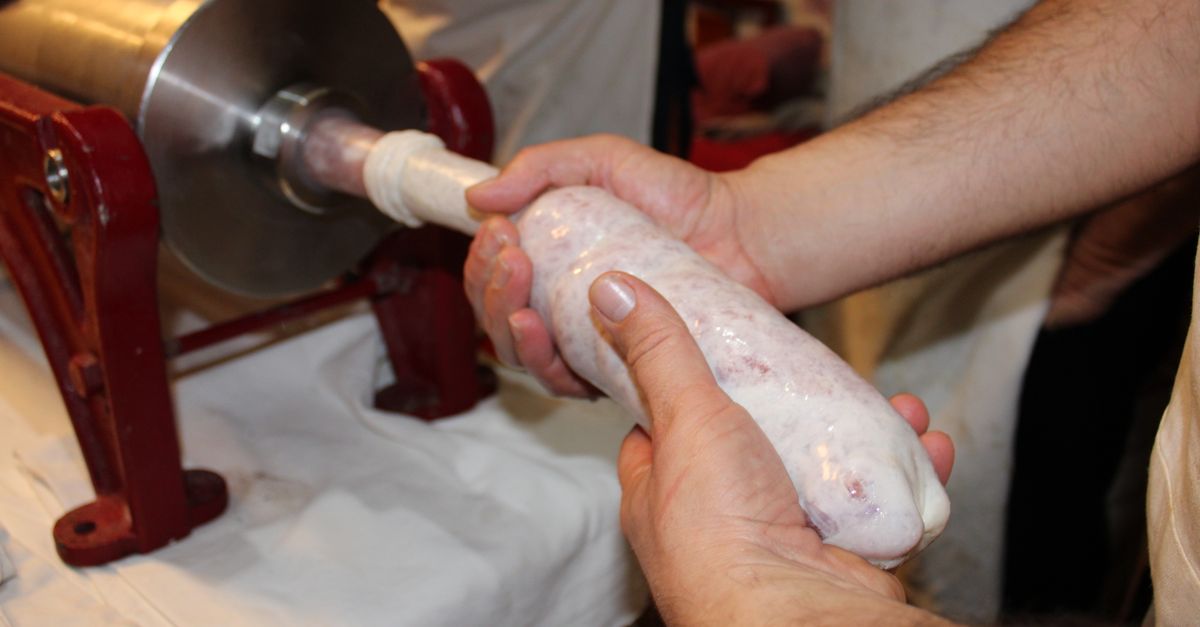
The basic equipment of a sausage production kitchen includes a smoker and cutter for roasting, stuffing machines, a smoking cabinet and an airtight refrigeration chain. At the sales point, there are also a contact grill, fryer and warming devices, behind which are work tables made of stainless steel and sufficient washing area. An area that laypeople often underestimate is hygiene: cleaning agents, disposable gloves and work clothing are part of everyday life in food processing. Especially on long festival days or in hot summer weeks, cooling is the point where no business can save money. And finally, packaging material is constantly consumed – cardboard boxes, potato chip forks, sauce cups and vacuum bags, which are ordered in large quantities.
Many smaller businesses specifically buy their equipment from regional specialists instead of from anonymous wholesale. The reason is pragmatic: a specialist retailer who knows the recipes of its customers knows which machine size suits a two-person team, and can quickly deliver in an emergency. In addition, the ongoing consumption of spices, salts and pickling ingredients hardly changes over the year – while demand for barbecue food is significantly increasing in the warm season.
Regional value creation: Why origin and procurement play a role
Around Berlin, Brandenburg has its own tradition of slaughtering and sausage making – from the home slaughtering in the village to small butcher shops with family recipes. In the countryside, the common slaughtering in the autumn is still on the calendar of many families today. Many Berlin snack bar operators are directly connected to this tradition, through wholesale markets, through butchers in the surrounding area or through specialist retailers who deliberately have their headquarters on the outskirts of the city, for example in Neuenhagen near Berlin.
Regional procurement has a very practical core. Short distances mean fresh goods and fast delivery. Personal contacts mean that the retailer knows which intestines fit which recipe and which equipment is economical for a small business. Binding hygiene and quality standards apply everywhere in food processing anyway; the difference lies in everyday life. Companies that know their suppliers and use their advice experience that they find it easier to live up to these standards – from the clean workplace to documented cooling.
Much of it remains invisible to the guests. Nevertheless, it makes itself noticeable: in the color of the sausage, in the bite, in the sauce that doesn’t taste like it’s coming out of the bucket. Origin and procurement are therefore not a romance for gourmets, but a quiet part of the quality that a Berlin stall has carried over the years.
Conclusion: More than fast food – craftsmanship with tradition
Berlin’s snack culture thrives on a seemingly contradictory principle: the product is simple, but the effort behind it is not. Between the cardboard plates and the counter lies recipe knowledge, machine technology, hygiene discipline, and a procurement network that extends to the Brandenburg region. The currywurst is therefore more than just fast food. It is craftsmanship with tradition, served standing up, at any time of day or night. And the scene remains dynamic: new stalls are added, food trucks are trying out their own sausage creations, and the range grows on the city’s markets. As long as Berlin is celebrated, night shifts are pushed back, and people walk home late, the queue under the red canopy will not shorten. Fortunately.