
Why Berlin offices are becoming greener – and what plants really change in everyday work life
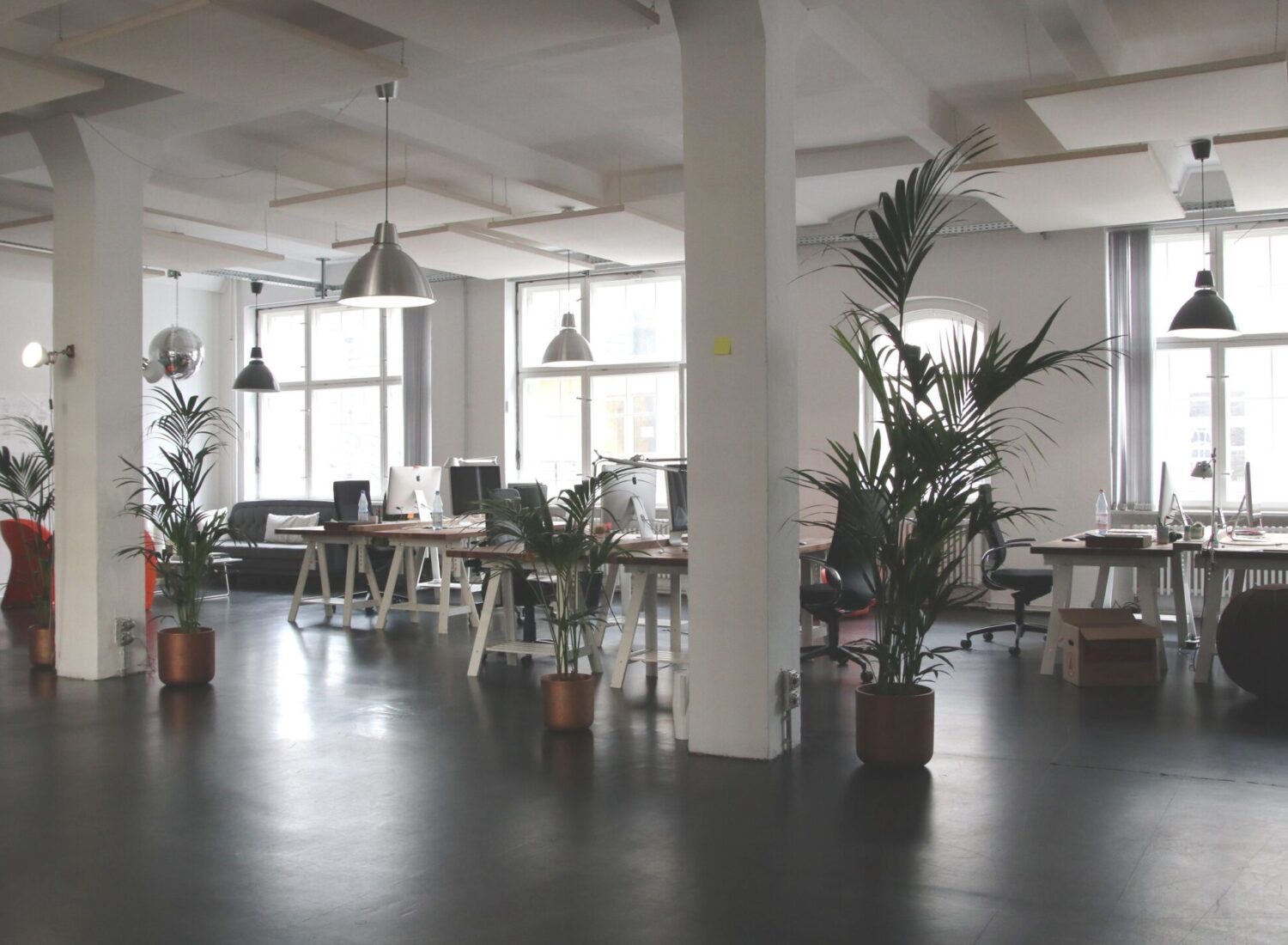
Plants in Berlin offices are long since more than decoration: they can positively influence room climate, acoustics and well-being – provided that the selection and care are correct. Anyone walking through Mitte, Kreuzberg or Charlottenburg in the morning will see it in more and more shop windows and office corridors: monstera leaves press against windows, ficus trees flank reception desks, entire walls are covered with ferns and ivy. Berlin is a city that often looks gray with a strong need for greenery – and this is increasingly evident where people spend most of their day: at work.
From decorative object to working tool
Plants in the office are no longer a purely style issue. Older NASA studies from the late 1980s suggest that certain houseplants can absorb volatile organic compounds such as formaldehyde or benzene from the air under laboratory conditions; how strong this effect is in real office spaces is scientifically controversial. Various studies, including those from the University of Exeter, also suggest that green offices can increase employees’ perceived well-being and satisfaction. The effects are not a miracle cure, but they have been described in several studies – especially in combination with good lighting and regular ventilation.
In addition, there is the acoustic aspect: dense sheetwork can noticeably dampen the echo in large office spaces. Anyone who has ever phoned in a tiled loft with six colleagues knows why this is relevant. For companies looking for professionally planned Plants for the office in Berlin Therefore, it is rarely just about aesthetics, but about room climate, acoustics and well-being at the same time.
What actually works in Berlin offices
Not every plant fits into every office. Older buildings in Prenzlauer Berg with high ceilings and little natural light have different requirements than a glazed new building in Adlershof. Based on experience, three groups prove themselves in Berlin offices above all:
- Robust leafy plants such as Kentia palm, Zamioculcas or Efeutute. They cope with irregular watering and little light – ideal for hallways and meeting rooms.
- Structural elements such as Ficus lyrata or Strelitzia. They set visual anchors in open spaces and act as natural room dividers.
- Vertical systems with mosses and ferns. They save space and work where the ground is already full.
The most common source of error is not the choice of plants, but the care. A ficus that no one waters because “the colleague actually does it” loses its leaves within a few weeks. That’s why many companies are now relying on rental and service models, in which a service provider takes over the care – from regular watering to replacing less vital specimens.

A look at a Berlin example
P2 OBJEKT GRÜN from Berlin has been working on exactly this interface between interior architecture and plant care since 2002 – from conception to implementation to rental, sale and ongoing care from one hand. The range of services ranges from room and object greening to vertical greening to artificial plant solutions and is supported by quality seals and membership in professional associations. What is striking is less the size of individual projects than the range: a green reception hall looks different from a hotel lobby, and a foyer has different requirements than classic office spaces.
Such references are interesting for companies planning office greening for a practical reason: they show how a provider deals with real Berlin building types – from poorly ventilated basement areas to south facades with full sun in summer. For you as a decision-maker, this means: a look at concrete project galleries often tells more about the suitability of a service provider than any brochure.
Sustainability is more than just an label
Green in the office is often marketed as a sustainability theme. To be honest: An imported palm in a plastic pot is not a significant contribution to climate protection in itself. It becomes more interesting where companies use durable substrates, regional supply, reuse of plants from previous projects, and water-saving irrigation systems. Artificial plants can be the more practical choice in areas without daylight – such as underground parking garage exits or rooms without windows – because they do not require constant deliveries. If you want to seriously associate greenery with livable workspaces, you should think about care, materials, and life cycle from the beginning.

What Berlin companies should pay attention to when starting up
If you are planning office greenery, you will get further with three sober questions than with any trend catalog:
- How much daylight actually reaches the planned stand area – measured, not estimated?
- Who will take over the care, and what happens if this person leaves the company?
- Should the plants be bought, rented or operated in a mixed model – and how flexible is the move to new office space?
The answers ultimately determine whether the intention “we’re going to do something with plants” will turn into a space where you and your team actually prefer to work – or just another graveyard for good ideas in the clay pot. Berlin has room for both. The more interesting offices in the city are visibly choosing the former.