
Reusable packaging: Sustainable solutions for logistics and transport
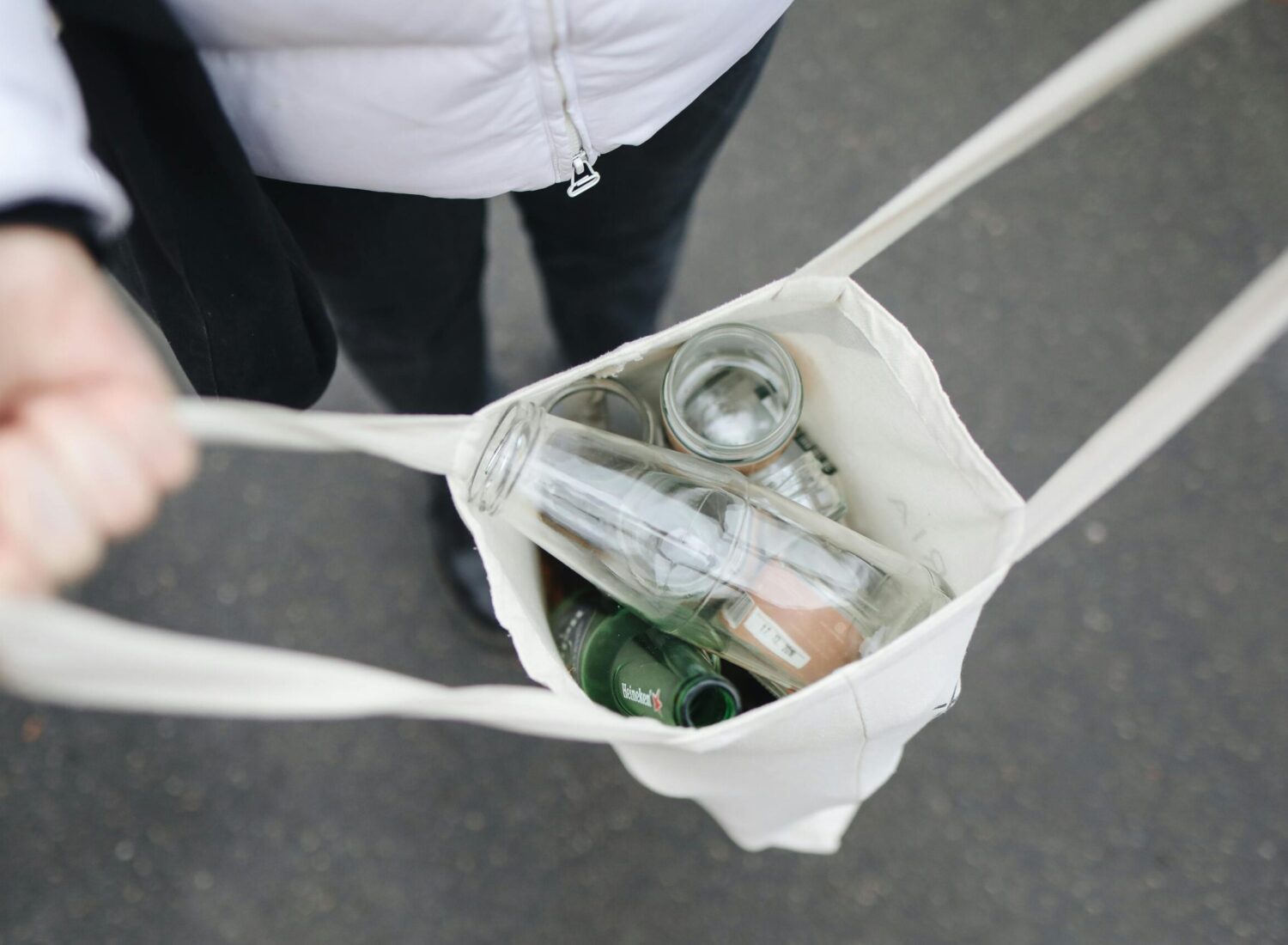
Transport logistics is facing fundamental changes, in which sustainability and economy are equally focused. Reusable packaging They establish themselves as a central solution for companies that want to conserve resources while simultaneously reducing costs. Unlike disposable solutions, these packaging systems undergo numerous usage cycles and thus significantly reduce waste. The advantages are particularly evident in industries with high transport volumes such as the automotive industry, retail or food logistics.
The robust construction ensures protection of sensitive goods over many transport routes, while standardized formats simplify handling. In addition, legal framework conditions promote the use of reusable systems, making investments in modern reusable solutions worthwhile in the long term. Companies benefit from improved sustainability profiles and strengthen their position in the competition for environmentally conscious customers at the same time.
Materials and constructions for maximum durability
High-quality reusable packaging is made from materials that withstand extreme loads while maintaining their functionality for years. Plastics such as polypropylene or polyethylene offer an ideal combination of weight, stability, and resistance to moisture and chemicals. Metal containers made of galvanized steel or aluminum are particularly suitable for heavy industrial goods and allow for virtually unlimited reuse with proper care. Wooden packaging stands out due to its natural properties and can be completely recycled or thermally processed after use. Modern designs incorporate stackable designs that optimize storage capacity and maximize transport volume. Foldable variants significantly reduce the space required for returning empty containers, which lowers logistics costs. Reinforcements at critical points such as corners and edges further extend the lifespan. Through intelligent material combinations, packaging solutions are created that meet both ecological and economic requirements and can be flexibly adapted to different groups of goods.
Cost advantages through systematic circular economy
The implementation of reusable systems initially requires higher purchase costs than single-use alternatives, but is amortized through continuous savings in a short period of time. Each transport cycle reduces the proportional packaging costs, while disposal fees are eliminated at the same time. Pooling systems, in which multiple companies share standardized containers, distribute investment costs and optimize utilization rates. Digital tracking technologies enable the precise tracking of packaging along the supply chain and minimize losses due to misplaced or damaged units. Automated cleaning processes ensure hygienic standards while keeping operating costs low. The longer service life of high-quality reusable packaging reduces the need for replacement purchases and stabilizes budget planning. Companies can flexibly respond to demand fluctuations through rental systems without having to maintain their own storage capacity for packaging materials. Tax incentives and support programs for sustainable logistics solutions further improve profitability and significantly accelerate the return on investment.
Environmental balance sheet and resource conservation in comparison
The ecological footprint of reusable packaging far exceeds single-use solutions as soon as a certain number of cycles are reached. Studies show that even after a few use cycles, the environmental impact per transport decreases and significant CO₂ savings can be achieved in the long term. Reducing packaging waste relieves waste disposal systems and reduces the need for landfill capacity. Resource-saving production processes use recycled materials and minimize the consumption of fossil raw materials. Energy-efficient cleaning processes with closed water cycles reduce the ecological effort of processing. Avoiding single-use packaging also reduces the introduction of microplastics into ecosystems, which is caused by the degradation of inferior plastics. Transport optimizations through standardized formats reduce empty runs and improve the utilization of truck capacity. Certifications according to international sustainability standards document the environmental benefits transparently and create trust with business partners and end consumers who increasingly value ecological responsibility.
Practical implementation in existing logistics processes
The successful integration of reusable systems begins with a thorough analysis of current supply chains and packaging needs. Pilot projects in selected areas enable the collection of experience values before a nationwide switchover takes place. Employee training provides the correct handling of the new packaging and promotes acceptance in everyday operations. Standardized processes for return, cleaning and re-storage ensure a smooth cycle without supply bottlenecks. Cooperation with specialized service providers simplifies the management of complex pooling systems and reduces administrative effort. Technical interfaces between inventory management systems and packaging tracking enable seamless data integration. Continuous quality controls identify damaged units early on and prevent failures during transport. Flexible contract models allow the scaling of packaging inventories according to seasonal fluctuations to meet demand. Through systematic monitoring, optimization potential can be identified and the efficiency of the reusable systems can be continuously increased, which contributes to the competitiveness and sustainability of the entire company in the long term.