
Moving Film about Berlin Honour Killing | Interview with Director Sherry Hormann on ‘Just a Woman’
Sherry Hormann received the Bavarian Film Award in 1992 for her feature debut ‘Leise Schatten’. This was followed by comedies such as ‘To Err is Male’ or ‘Guys and Balls’, as well as two episodes of ‘Bella Block’. With the film adaptation of the bestseller ‘Desert Flower’, Hormann was nominated for the German Film Award in 2010.
Now, at 59, Hormann, together with producer Sandra Maischberger, presents the true story of an ‘honour killing’ in Berlin in ‘Just a Woman’. Our contributor Dieter Oßwald spoke with the director.
Ms Hormann, your film is a drama about a courageous woman. How much courage does a director need for such a project?
I have no fear of any threats! Democracy means engaging with subjects that move us. And it means giving a voice to people who might otherwise go unheard among the other news hype. I see it as an obligation to tell stories about these issues.

How do your actors of Turkish origin see it?
All the actors are passionately committed to this film; fear simply didn’t exist for them to begin with. If we no longer speak up, it’s only the populists who gain. Our approach was not to prejudge the characters but to show who these kids really are – young people with their own unfulfilled dreams, who then end up under the social pressure of this honour concept.
What was the atmosphere like during filming?
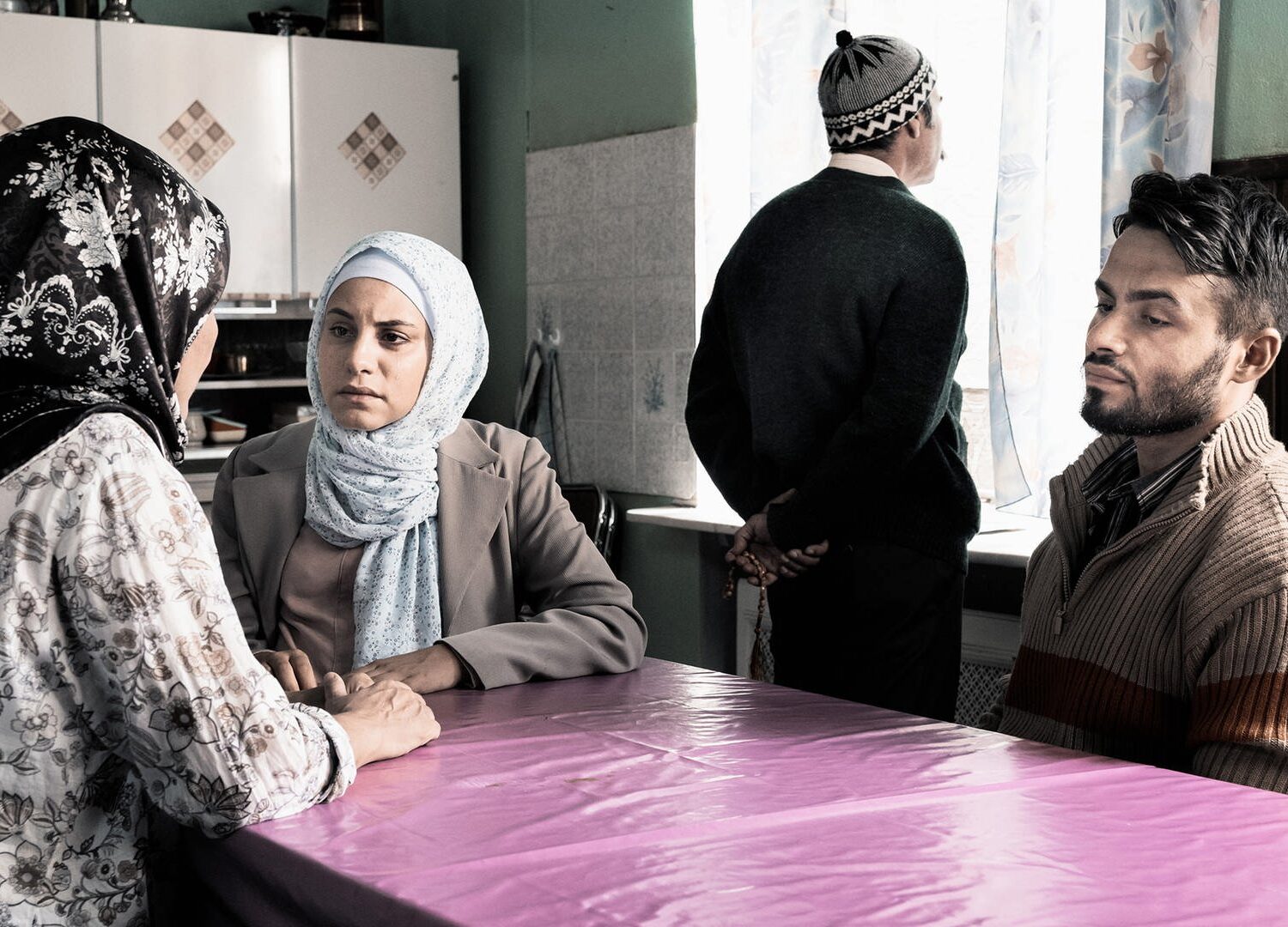
We shot under the radar, partly to protect ourselves. We also had security personnel with us. We filmed in Aynur’s block of flats on Bacharacher Straße, at Kottbusser Tor, at the bus stop where her life was taken. Generally, it’s not as though doors were flung open for us. There was more a sense of caution, a curiosity directed at us – especially from the Turkish community. This was probably also because many team members came from different backgrounds and worked on the film. But trust grew over time; in the end, a security guard of Turkish origin even gave me a gift.
How would you describe Aynur as a person?
What springs to mind immediately are her determination, her courage, and her unwavering zest for life. We wanted to show this unstoppable will in her fight for freedom and self-determination, and the incredible strength that a woman like Aynur possesses – strength that can be the key to bringing about change, both large and small.
How true-to-life is the portrayal of the characters?
There are countless documentaries about the perpetrators; that didn’t interest me. My focus was on giving the victim a voice. The screenwriter, Florian Oeller, read all the court files and spoke with witnesses and lawyers. The challenge was, how do we give Aynur a voice? The solution lay in having the deceased Aynur speak directly to the audience as narrator, so viewers become almost complicit.
How did you come up with the idea of using photographs repeatedly in the film?
My willingness to experiment on this project was fuelled by our cinematographer Judith Kaufmann and editor Bettina Böhler. To my surprise, Sandra Maischberger as producer gave us complete artistic freedom. I’ve always found iconic images fascinating, and it suits this story: when Aynur comes out of a club with her boyfriend, we all know how the lads jeer. I don’t need to film that scene – a photograph is far more effective here.
Sandra Maischberger has extensive TV experience, and here she’s making her cinema debut. What was the collaboration like?
Sandra always said, ‘I’m just the trainee’ (laughs). It was her idea to make the film. After some consideration we met up and started the project. For me it was important that Florian should write the screenplay. Sandra prepared the groundwork, I took care of the team, and then together we just got going. Sandra was fully up for it, perhaps also because she had no previous cinema experience. She was full of respect for the team, and from start to finish we met on equal terms. I rarely say this about producers: she really took a big risk!

How do you handle the personal rights of those involved? Or does artistic freedom apply here?
Everything was checked over legally fifteen times. It really was a very intense process.
How do you assess the prospects for an enlightened Islam and for change in the future?
Circumstances never stay the same forever. We really hope that young people go to see this film. If just one person dares to act differently, they can set an example for others to give it a try as well. We need to start debating more again, rather than just stating opinions.
How did you come up with the title, which might strike people as depressing or angry?
Angry! We thought long and hard about the title. In English, at the distributor’s request, the film is called ‘A Regular Woman’ – but I much prefer our angrier version.
‘Just a Woman’ is released in cinemas on 9 May.