“Fame Changes Every Personality.” – Interview with “Breaking Bad” Star Bryan Cranston
· 6 min read
As a former chemistry teacher and clever, cool drug cook Walter White in the series “Breaking Bad”, Bryan Cranston became a true cult icon. Back in 2000, he had already made a splash playing a desperate father in the series “Malcolm in the Middle”, which ran proudly for six years over 151 episodes. His film credits include “Little Miss Sunshine”, “Drive”, “Argo”, and “Godzilla”.
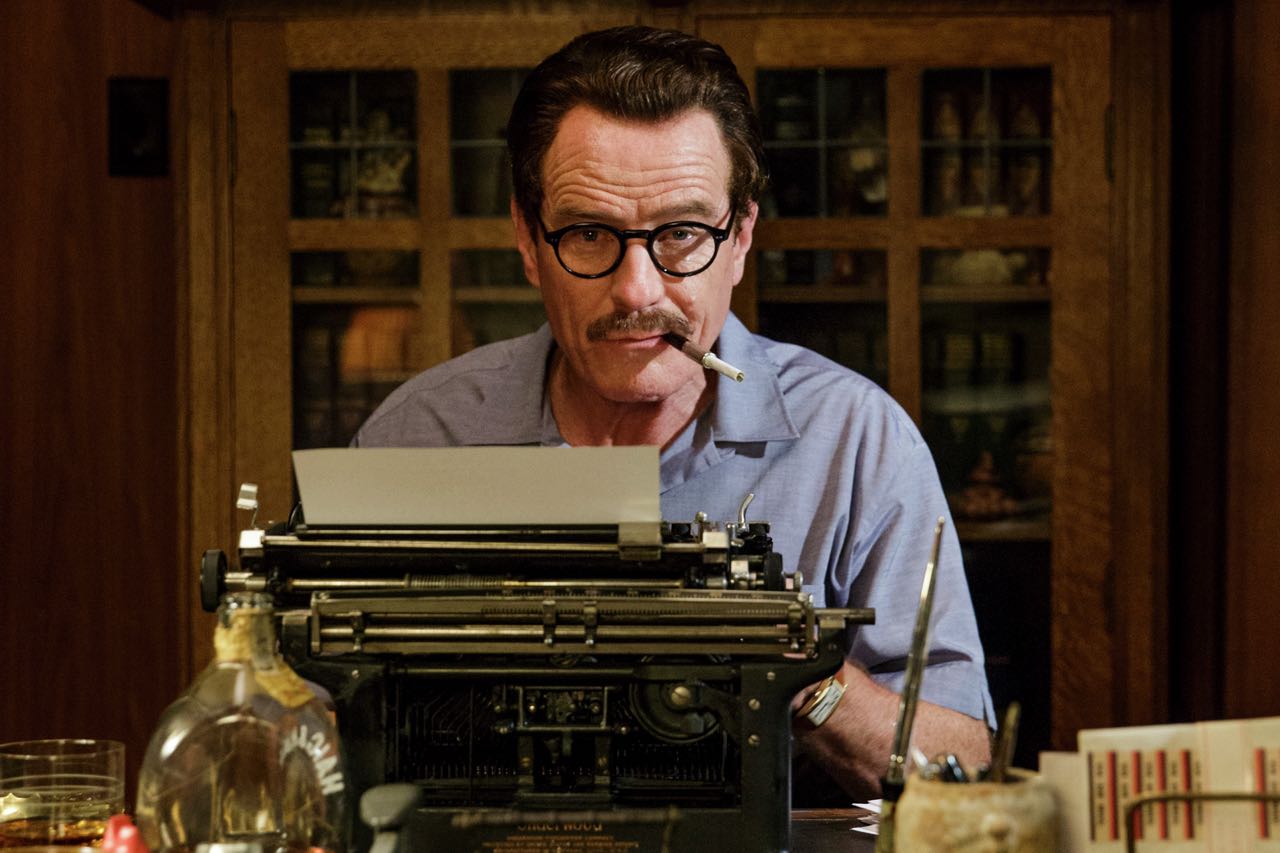
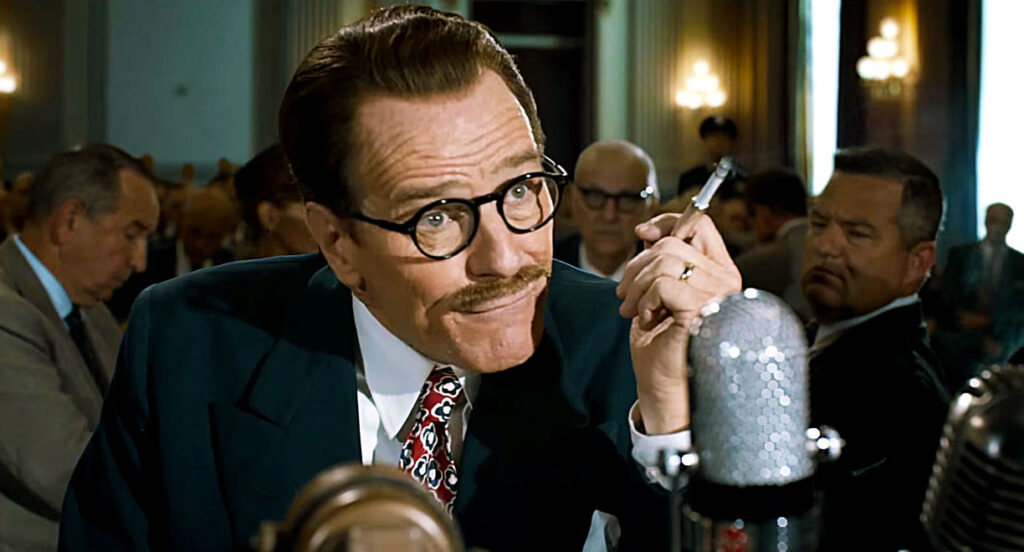
Now, Cranston takes on the title role in “Trumbo”, portraying screenwriter Dalton Trumbo, who was added to the infamous Hollywood blacklist as a Communist in the 1950s and was banned from his profession. Cranston was nominated for an Oscar for the role. He spoke to [030] staff writer Dieter Oßwald.
Mr Cranston, hand on heart: would you yourself have remained as steadfast as Dalton Trumbo and gone to prison for your beliefs? Or would you have given in to the pressure as actor Edward G. Robinson did?
Cranston: You have to distinguish between two things. On the one hand, there’s whether you’d capitulate before this committee and say: ‘Yes, I’m a member of the Communist Party! I was young, I was foolish, and it was a mistake.’ I’d do that to avoid going to prison. But the other issue is whether you’d become a traitor and reveal the names of your comrades – that, for me, would cross the red line.
How well known is this dark chapter of the dream factory in America today?
Cranston: I fear this chapter is unknown to most, especially among the younger generation. I hope our film can perhaps change that. Although Hollywood merely provides the backdrop, the core of the matter concerns what happens when our civil liberties are restricted. Not only does it affect the individual, it also impacts friends and relatives. When children are teased and threatened at school, it becomes a tragedy.
Bryan Cranston plays Dalton Trumbo, one of the highest-paid screenwriters in Hollywood.
How did you go about your research?
Cranston: Dalton Trumbo’s daughters were very helpful. Their perspective was incredibly valuable, as were the autobiographies of people who knew Dalton. The more I learned, the closer I got to the heart of the matter. Dalton wanted to give a voice to the invisible people, which is what made him so special. At the same time, it was important to us to show him as a person. The pressure he was under nearly destroyed his family, and it’s mostly thanks to the strength of his wife Cleo that this didn’t happen.
Did you speak to people whose names were on that blacklist?
Cranston: I met a few people affected by it, though they are now very old. We didn’t explicitly discuss the extent of the suffering they experienced, but our research revealed the dramatic consequences of these events: houses had to be sold, families were destroyed, and there were suicides born of despair.
Is there still a form of blacklisting today?
Cranston: There are probably still such lists determined by social judgement. Take someone like Bill Cosby—he’s written his own blacklist. But today, the media are more transparent than they were back then. How many US presidents have had affairs, and which ones were made public?
Cranston: I knew straight away that I didn’t want to appear in another series afterwards. I looked for roles that meant something to me and took a break for theatre on Broadway. Then the script for “Trumbo” came along, which I immediately liked. If only my role had been convincing, that wouldn’t have sufficed for me; the story itself had to be great.
How much did “Breaking Bad” change your life?
Cranston: “Breaking Bad” completely changed my life! The series became a phenomenon, which is rare. It was like an avalanche in entertainment culture, the show became an icon in a way. For me, it opened up an incredible number of opportunities, for which I’ll be eternally grateful. You can’t plan for or expect such success. We just wanted to make a good series with a strong story – what became of it was down to the audience.
What would it take to persuade you to appear in “Better Call Saul”?
Cranston: Just one phone call from Vince Gilligan would do it! (Laughs) With Vince, I’d be absolutely certain he wouldn’t just exploit it for a cheap cameo, because he has too much respect for the character of Walter White. But this is now an entirely new chapter, and I don’t know if an appearance would be such a good idea. However, I can certainly imagine directing a few episodes, as a way of expressing my solidarity.
Leonard Nimoy titled his autobiography “I Am Not Spock”. Were there never any moments when you feared becoming the eternal Walter?
Cranston: It’s down to the actor themselves whether they allow themselves to be pinned to a particular image. You have to seek new challenges and rigorously reject any roles similar to the one that brought you success. I went through that after “Malcolm in the Middle”, where I was constantly offered similar projects. I turned them all down because I didn’t want to become a derivative of myself. I find saying no to such things very easy, because I genuinely want to try new things.
What effect does fame have on someone’s personality?
Cranston: Fame changes every personality, and I’m no exception. I’m much more withdrawn now than I used to be. In hotels, I’d rather order room service than eat in the restaurant. I avoid the public eye whenever possible. At the same time, it’s important to have the right friends. I don’t want to have conversations that are always just about me – that gets boring quickly. I want to discuss all sorts of topics and have as much fun as possible while doing it.
So Halloween must be the one day you can move about in public undisturbed, with loads of fans wearing Walter masks…
Cranston: True, I’ve already tried that. We were filming in New Orleans during Halloween, and I went into the French Quarter in my actual film costume. But the only reactions I got were dismissive looks and comments like, ‘not bad’. (Laughs)
What are you doing next?
Cranston: I’m acting in a very small independent film with only a tiny budget, but the story totally captivated me. It’s about a successful lawyer who is completely trapped in the rat race and simply presses the pause button. So, he hides in his garage, from where he watches his life carry on – without taking part himself.